
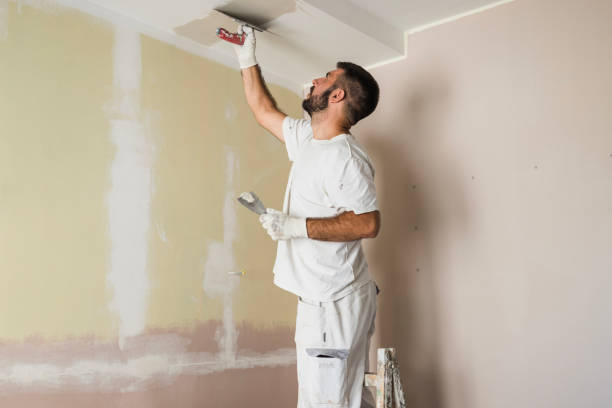
Repainting your home is an essential part of its maintenance and upkeep. Not only does it enhance curb appeal, but it also protects surfaces from wear and tear caused by environmental factors. However, determining when to repaint can vary depending on a range of factors such as material type, climate conditions, and paint quality. This guide provides a detailed look at how often you should repaint your house based on these key considerations.
Factors That Affect Repainting Frequency
- Wood Siding: Requires repainting every 3–7 years due to its susceptibility to moisture and sun damage.
- Stucco: Usually needs repainting every 5–10 years depending on weather conditions and the quality of the paint.
- Brick (Painted): Can last 15–20 years before needing a refresh if well-maintained.
- Vinyl Siding: Generally durable, but may need painting every 10 years for color retention.
- Climate Conditions Homes exposed to extreme weather—such as frequent rain, harsh sunlight, or salty air in coastal areas—typically require more frequent repainting due to accelerated wear.
- Quality of Paint High-quality paints with advanced formulas tend to last longer than cheaper alternatives:
- Premium latex paints: Offer durability for both interior and exterior applications.
- Oil-based paints: Excellent for wood surfaces but may require touch-ups over time.
- Application Technique A professional-grade application ensures proper coverage and adhesion, which contributes significantly to the lifespan of the paint job.
General Guidelines for Interior and Exterior Painting
| Type of Surface | Recommended Repainting Interval |
| Interior Walls | Every 5–7 years (varies by room usage) |
| Ceilings | Every 10+ years unless stained or damaged |
| Trim and Baseboards | Every 2–4 years |
| Exterior Wood Siding | Every 3–7 years |
| Exterior Stucco/Plaster | Every 5–10 years |
| Exterior Vinyl or Aluminum Siding | Approximately every 10 years |
Signs That Indicate It’s Time to Repaint
- Cracking or Peeling Paint
This occurs when moisture penetrates layers of old paint, particularly on wood siding. It’s essential to address this quickly to prevent further damage. - Fading or Discoloration
UV exposure can cause colors—especially darker shades—to fade over time, making your home look aged. - Blistering or Bubbling Paint
These defects are typically caused by trapped moisture or improper surface preparation prior to painting. - Chalky Residues on Walls
If you notice a powdery substance when you touch painted walls (often seen outdoors), it’s an indication that the paint is deteriorating.
Tips for Extending Your Paint’s Longevity
To maximize the lifespan of your next paint job:
– Use high-quality primer before applying the final coat.
– Choose weather-resistant paints specifically designed for exterior use.
– Perform regular maintenance, such as cleaning walls annually and addressing minor chips promptly.
– Keep gutters clean and ensure proper drainage around your home’s foundation to prevent water damage.
By adhering to these guidelines and understanding critical factors that affect paint durability, you can ensure your home remains vibrant and well-protected for years to come.
How to Recognize When to Call House Painters Florida for a Repaint
Painting your home is not just about aesthetics—it also plays a vital role in protecting your property from natural elements, wear, and tear. Knowing when to repaint is essential to maintaining the value and longevity of your home. Below are some key indicators that it’s time to give your home a fresh coat of paint.
1. Peeling or Cracking Paint
One of the most obvious signs that your house needs repainting is peeling, flaking, or cracking paint. This often occurs due to prolonged exposure to moisture, harsh sunlight, or poor-quality paint. If left unattended, exposed surfaces can lead to issues such as wood rot or rust on metal fixtures.
Causes of Peeling Paint:
– Poor surface preparation before the previous painting
– Use of low-quality paint products
– Exposure to extreme temperatures or high humidity levels
2. Fading Colours
Fading colours are a clear sign that the paint has lost its protective properties. While this may not directly damage your walls at first, it indicates that UV rays and weather conditions have taken their toll on the exterior or interior surfaces.
Key Areas Prone to Fading:
– South-facing walls (due to heightened sun exposure)
– Areas frequently exposed to rain and snow
– Indoor spaces with high natural light intake
To maintain vibrant colours on exteriors, consider using UV-resistant paints for better longevity.
3. Chalking Surfaces
Chalking occurs when a fine powder-like residue appears on painted surfaces due to weathering over time. This can affect adhesion if you plan to apply a new coat of paint.
How To Test for Chalking: Run your fingers across the painted surface; if there’s a chalky residue left behind, it’s time for repainting.
4. Visible Cracks in Caulking
The caulking around windows and doors provides critical protection against water damage and air leaks. Over time, this material may dry out, crack, or shrink.
When To Act:
– If cracks are noticeable near trim or joints.
– When caulk appears brittle upon inspection. Repainting after repairing caulking ensures both aesthetic improvement and better insulation.
5. Stains or Discolouration
Water stains caused by leaks or mould growth can ruin the appearance of walls while also indicating underlying issues like plumbing problems or roof damage.
Common Sources of Stains:
– Leaky gutters
– Roof leaks causing ceiling discolouration
– Indoor moisture from poor ventilation
Before repainting areas affected by stains, resolve any underlying issues such as fixing leaks and cleaning mould growth.
6. Outdated Paint Colours
Sometimes it’s not about wear but simply wanting a refreshed look for modern appeal! Trends in colour schemes evolve over time—what looked stylish five years ago may appear outdated today.
Considerations for Colour Updates:
– Neutral tones for timeless appeal (e.g., beige, grey) – Accent walls for added personality indoors
– Earthy tones like olive green or terracotta for exteriors
Table: General Timeline for Repainting by Surface Type
| Surface Type | Recommended Timeframe | Notes |
| Exterior Walls | Every 5–7 years | Depends on climate and sun exposure |
| Interior Walls | Every 5–10 years | High-humidity rooms may need more frequent updates |
| Wooden Surfaces | Every 3–7 years | Ensure proper priming beforehand |
| Metal Surfaces | Every 5 years | Focus on preventing rust |
Keeping an eye out for these signs can save you money in costly repairs down the line while ensuring your home remains as beautiful as it is protected from external elements. Preventative maintenance combined with timely repainting allows homeowners to enjoy durable results over time without compromising safety standards within their environment.
Expert Tips for Choosing the Perfect Paint Colours with Painting Services Florida
Choosing the perfect paint colours for your home can transform its ambiance, enhance its aesthetic appeal, and even improve your mood. However, with so many options available, selecting the right palette can feel overwhelming. Below are expert tips to help you make informed decisions when choosing paint colours.
1. Consider the Room’s Purpose
- Living Room: Opt for warm tones like beige, light gray, or soft pastels to create a welcoming and cozy environment.
- Kitchen: Bright colours like yellows or whites can evoke energy and cleanliness.
- Bedroom: Cool shades such as lavender, blue, or soft green are calming and encourage relaxation.
- Home Office: Neutral tones paired with subtle accents can foster focus and productivity.
2. Assess Lighting Conditions
Lighting significantly affects how a paint colour appears in a space.
Before finalizing your choice:
– Test samples under different lighting conditions—natural daylight, artificial warm light, and cool light.
– Keep in mind that darker shades tend to absorb light, making spaces feel smaller or more intimate.
– Lighter colours reflect more light and can make rooms appear larger.
3. Use Colour Psychology
Colors evoke specific emotions and moods. Consider these psychological effects when selecting shades:
– Red: Stimulating and energetic; ideal for dining rooms but best avoided in spaces meant for relaxation.
– Blue: Promotes calmness; great for bedrooms or bathrooms.
– Green: Balances freshness with serenity; suitable for almost any room.
– Yellow: Energizing; often used in kitchens to promote happiness.
4. Harmonize with Existing Décor
Your paint should complement existing furniture, artwork, flooring, or architectural details.
When in doubt:
– Use samples on walls near prominent pieces of furniture to ensure cohesion.
– Avoid clashing patterns or overly bold contrasts unless you’re aiming for an eclectic look.
| Paint Style | Suggested Décor Pairing | Ideal Setting |
| Monochromatic Palette | Minimalist furniture styles | Small spaces |
| Complementary Colours | Bold accent pieces | Living rooms or dining areas |
| Neutral Base + Accent Shades | Textured fabrics & wood tones | Bedrooms & open-concept areas |
5. Take Advantage of Colour Tools
Many brands offer tools to streamline your decision-making process:
– Online visualizers let you upload photos of your space to test different colours virtually.
– Peel-and-stick samples allow you to see how a shade looks without committing immediately.
6. Don’t Forget Exterior Paint
If painting the exterior of your home is part of your project:
– Factor in environmental elements like sunlight exposure and weather patterns (e.g., heat-resistant paints may be essential in sunny regions).
– Choose colours that align with the neighborhood aesthetic while maintaining individuality.
Taking time to thoughtfully select paint colours ensures visually appealing results aligned with both personal preferences and practical considerations.
Inspirations for Stunning Interior & Exterior Painting Florida Ideas
When it comes to transforming the interiors of your home, wall painting plays a crucial role in setting the tone and ambiance for each space. Whether you seek modern minimalism, timeless elegance, or playful creativity, there are countless ways to refresh your walls and make a statement. Here are some stunning interior wall painting ideas to inspire your next project.
1. Accent Walls for Visual Impact
- Bold Colors: Choose deep hues like navy blue, emerald green, or terracotta to create contrast in a neutral-toned room.
- Textured Paints: Opt for textured finishes such as matte velvet or metallic sheen to add dimension.
- Patterned Designs: Consider geometric shapes or stenciled patterns on your accent wall for a modern touch.
2. Two-Tone Walls for Balance
Two-tone walls involve dividing the wall horizontally and painting each half a different color or shade. This technique works well in living rooms, dining spaces, and bedrooms.
- Use lighter shades on top and darker shades at the bottom for an airy feel.
- Pair complementary colors like white with navy or blush pink with charcoal gray.
- Add wainscoting or molding at the intersection point to enhance sophistication.
| Top Color | Bottom Color | Suggested Rooms |
| Soft Beige | Deep Espresso Brown | Living Rooms |
| Light Gray | Dusty Blue | Bedrooms |
| Pale Yellow | Olive Green | Kitchens/Dining Areas |
3. Ombre Walls for Subtle Elegance
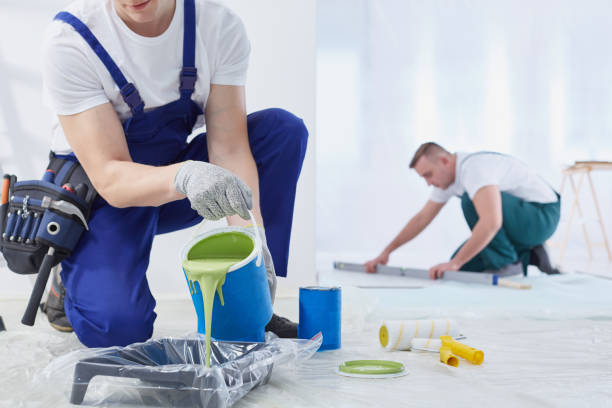
Ombre painting transitions between two colors seamlessly across a single wall, creating an ethereal effect that works especially well in bedrooms or bathrooms.
Steps to Create an Ombre Look:
1. Select two compatible shades – one light and one darker from the same palette (e.g., sky blue fading into soft white).
2. Apply three horizontal sections of color (darkest at bottom), blending where they meet with a dry brush or sponge.
3. Seal with a clear coat if desired for extra durability.
4. Nature-Inspired Themes
- Floral Murals: Intricate hand-painted flowers can bring charm to bedrooms or nurseries.
- Earthy Tones: Use colors like olive green, sand beige, and burnt sienna inspired by natural landscapes.
- Tree Silhouettes: Paint large tree outlines on one wall of your living space using muted shades like gray or sage green.
5. Chalkboard Walls for Functionality & Fun
- Transform an entire wall with chalkboard paint – available in black and tinted varieties.
- Use it as an interactive surface where notes can be written or drawings made.
- Pair chalkboard walls with bright decor elements to keep the room vibrant yet functional.
Pro Tips When Painting Your Interior Walls
- Always test paint samples before committing to a shade—lighting conditions can alter how colors appear.
- When working with bold designs like ombre effects or murals, consider hiring professionals if you’re unsure about execution.
- Select high-quality paints that resist stains and wear over time; this is particularly important in high-traffic areas like hallways.
By exploring these innovative techniques and ideas tailored specifically for interior spaces, you can turn plain walls into captivating focal points while adding character throughout your home.
Durable and Vibrant Exterior Wall Painting Options to Elevate Your Home’s Look
Exterior wall painting not only enhances the curb appeal of your home but also protects it from harsh weather conditions, moisture, and other environmental factors. Choosing durable and vibrant options for exterior paint can make a significant difference in maintaining the aesthetics and longevity of your home’s exterior. Below, we explore some key considerations, types of paint finishes, and tips for a successful exterior wall painting project.
Key Features to Look for in Exterior Paint
When selecting an exterior paint, it’s important to focus on durability, weather resistance, and aesthetic appeal. Consider the following features:
– Weather Resistance: Opt for paints that are specifically designed to withstand UV rays, rain, wind, and extreme temperatures.
– Moisture Protection: Look for paints with waterproof or water-resistant properties to prevent peeling or bubbling caused by moisture infiltration.
– Mold & Mildew Resistance: Especially in humid climates, ensure the paint has additives that prevent fungal growth.
– Fade Resistance: High-quality exterior paints resist fading over time due to sun exposure.
Types of Paint Finishes for Exterior Walls
| Finish Type | Features | Best Suited For |
| Matte/Flat | Non-reflective; hides imperfections | Older homes; walls with texture |
| Satin | Slight sheen; easy to clean | Entryways or high-traffic areas |
| Semi-gloss | Shiny finish; highly durable | Trimwork or accents |
| High-gloss | Very reflective; extremely durable | Doors, railings |
Popular Paint Options for Vibrant Exteriors
- Acrylic Latex Paints: Known for flexibility and resistance to cracking as surfaces expand and contract due to weather changes. They are low-VOC (volatile organic compounds), making them environmentally friendly.
- Oil-Based Paints: These offer excellent adhesion and durability but tend to yellow over time when exposed to sunlight, making them better suited for shaded areas or trimwork.
- Elastomeric Paints: Ideal for stucco or masonry surfaces due to their thick consistency that fills small cracks while being waterproof.
- UV-Protective Coatings: Enhance color retention and prevent fading caused by prolonged sun exposure.
Tips for Elevating Your Home’s Exterior Look
To make your home stand out while ensuring long-lasting results:
– Choose colors that complement your home’s architecture as well as the surrounding environment. Neutral shades with bold accents (like navy blue with white trims) often create a timeless look.
– Test paint samples on different sections of the wall at various times of day before committing.
– Invest in proper surface preparation—cleaning dirt/mold buildup from walls ensures better adhesion.
– Consider adding contrasting colors on trims and shutters for dimension without overwhelming the overall look.
Final Thoughts
Durable exterior painting is an investment in both style and protection against external factors like sun damage or rain exposure. Selecting high-quality products tailored to your climate alongside thoughtful design choices will elevate your home’s appearance significantly while ensuring it remains resilient over time.
Understanding Sun and Moisture Damage: How It Impacts Your Paint Job
Environmental factors such as sun and moisture play a significant role in the longevity and appearance of your paint job. Over time, exposure to these elements can lead to fading, peeling, cracking, and other forms of damage. Understanding how these factors affect your home’s paint can help you take proactive steps to maintain its aesthetic appeal and structural integrity.
Effects of Sun Damage on Paint
- Fading: Prolonged exposure to sunlight causes vibrant colors to lose their richness, often leaving surfaces looking dull.
- Cracking and Blistering: High temperatures from direct sunlight cause the paint to expand and contract, leading to cracks or bubbles on the surface over time.
- Surface Chalking: Sunlight can lead to chalking—a process where a powdery residue forms on painted surfaces—making walls appear uneven and dirty.
Effects of Moisture Damage on Paint
- Peeling or Flaking: When water seeps into painted surfaces, it weakens the bond between layers of paint and causes them to peel off.
- Mold and Mildew Growth: High levels of moisture create an ideal environment for mold or mildew growth, particularly in poorly ventilated areas like bathrooms or basements.
- Staining: Water intrusion often leaves unsightly stains on walls or ceilings that are difficult to remove without repainting.
Recognizing Signs of Sun and Moisture Damage
| Type of Damage | Key Signs | Likely Cause |
| Fading | Dullness or loss of color vibrancy | Long-term UV exposure |
| Cracking/Blistering | Visible cracks or bubbles | Heat expansion |
| Peeling/Flaking | Paint layers coming off | Moisture intrusion |
| Mold/Mildew Growth | Black/green patches | Excessive humidity |
Preventative Measures Against Environmental Damage
- Choose High-Quality Paints
Opt for paints formulated with UV-resistant properties for exterior walls. For interiors prone to humidity (e.g., kitchens), look for moisture-resistant options. - Apply Protective Coatings
Use sealants such as weatherproof coatings for outdoor surfaces or anti-mold primers indoors. - Regular Maintenance
Conduct routine cleaning of your painted walls using mild detergents; this prevents dirt buildup that exacerbates environmental damage. - Improve Ventilation
Ensure proper air circulation inside your home by installing exhaust fans in areas with high humidity. - Repair Leaks Promptly
Identify any sources of leaks (e.g., roof issues) early on and address them immediately before they affect painted surfaces.
By understanding how sun and moisture impact your home’s paint job—and following these preventative measures—you’ll ensure a long-lasting finish while maintaining your property’s overall aesthetic value.
Enhance Your Interiors with Florida Painters Using Creative Special Effects
When it comes to elevating the aesthetics of your interiors, traditional painting methods often fall short of making a space truly stand out. This is where techniques like Royale Play special effects come into play, offering creative and artistic solutions for homeowners looking to personalize their spaces. These effects not only add depth and texture to walls but also create an ambiance that transforms ordinary rooms into stunning focal points.
What is Royale Play?
Royale Play is a specialized paint finish technique designed to create textured or patterned effects on interior walls. It uses premium-quality paints and tools to deliver results that are both durable and visually striking. From metallic finishes to rustic patterns, Royale Play offers a wide range of options suitable for various design preferences.
Popular Royale Play Effects
- Gives walls a reflective, shimmering surface.
- Ideal for modern or industrial-themed interiors.
- Works well in spaces like living rooms, dining areas, or accent walls.
- Creates an aged or weathered appearance.
- Perfect for farmhouse-inspired or bohemian designs.
- Adds character and warmth to any room.
- Mimics the natural elegance of marble without the expense.
- Suitable for sophisticated interiors such as offices or luxurious bedrooms.
- Offers a smooth yet textured finish resembling plaster work.
- Complements Mediterranean or earthy design themes.
- Introduces fine, crisscrossed textures reminiscent of fabric.
- Best suited for contemporary spaces with minimalist decor.
Why Choose Special Effects?
- Customization: Tailor the style and texture based on your personality or desired theme.
- Luxury Appeal: Adds sophistication without needing high-end materials like stone or wood paneling.
- Durability: High-quality paints used in these techniques are resistant to fading and wear over time.
- Versatility: Suitable for different areas within the home — bedrooms, hallways, feature walls, etc.
Steps Involved in Creating Special Effects
| Step | Description |
| Surface Prep | Clean and level wall surfaces by filling cracks and sanding imperfections. |
| Base Coat | Apply a base coat using neutral colors that complement the chosen effect. |
| Effect Layer | Use specialized tools (sponges, brushes) with textured paints for designs. |
| Finishing Touch | Seal with protective coatings if required for added durability. |
Tips for Using Royale Play in Your Home
- Start Small: If you’re unsure about committing fully, try applying special effects on one accent wall first before expanding throughout an entire room.
- Lighting Matters: Consider how natural light interacts with textured finishes; reflective paints can amplify brightness while darker tones may absorb light for a cozy feel.
- Professional Help: Although DIY kits are available, hiring an expert ensures seamless results without uneven textures or errors.
Adding creative special effects through Royale Play is an excellent way to redefine your living space’s personality while making it uniquely yours. By understanding its diverse options and professional application process, you can achieve impeccable results that leave a lasting impression on anyone who steps into your home.
Creative Special Effects with Royale Play for Unique Interior Designs
Royale Play is one of the most versatile and sought-after painting solutions for achieving creative and unique interior designs. It allows homeowners to move beyond the monotony of plain walls by offering a wide range of textures, patterns, and finishes that transform living spaces into expressions of individuality. Below, we explore how you can leverage Royale Play to create stunning interiors.
What is Royale Play?
Royale Play is a premium range of textured paint finishes designed to provide an artistic touch to indoor walls. Known for its durability and aesthetic appeal, it offers endless possibilities for enhancing the ambiance of your home. Its water-based formula also ensures that it is eco-friendly while providing a luxurious finish.
Popular Special Effects with Royale Play
- Adds a sophisticated sheen to your walls.
- Ideal for creating a modern or industrial look in living rooms or offices.
- Common shades include gold, silver, copper, and bronze.
- Mimics the elegance of natural marble surfaces.
- Works well in dining areas, bathrooms, or entryways to create a classic yet contemporary vibe.
- Provides an antique and rustic look reminiscent of Venetian plaster walls.
- Perfect for creating depth in spaces like study rooms or libraries.
- Offers an opalescent glow with soft brush strokes visible across the surface.
- Great option for bedrooms where subtlety meets sophistication.
- Creates intricate thread-like patterns on your walls using special tools and techniques.
- Fits well into children’s rooms or art studios for added playfulness.
Benefits of Using Royale Play
- Customizability: A variety of textures and finishes lets you personalize your space without constraints.
- Durability: Resistant to common wear-and-tear issues like scratches or minor stains.
- Premium Appearance: Instantly uplifts the aesthetic value of your interiors.
- Eco-Friendly Options: Many variants are low-VOC (volatile organic compounds), reducing environmental impact.
- Ease of Maintenance: Most textures can be cleaned with minimal effort using microfiber cloths or mild detergents.
Tips for Applying Royale Play
- Ensure that your wall surface is smooth, clean, and primed before applying textured paint.
- Work with professionals who have experience in handling specialty finishes.
- Choose colors based on lighting conditions; darker tones work better in well-lit areas while lighter shades enhance smaller rooms.
- Use accent walls strategically—too much texture can overwhelm smaller spaces but works beautifully as focal points in larger rooms.
| Texture/Effect | Ideal Space | Ambiance Created |
| Metallic Finish | Living Room/Office | Modern and Sophisticated |
| Marble Texture | Entryway/Dining Area | Classic yet Contemporary |
| Stucco Effect | Study/Library | Antique and Rustic |
| Brushed Pearl Finish | Bedroom | Subtle Elegance |
| Weaving Patterns | Children’s Room | Fun & Creative |
Why Choose Professional Help?
- They help select appropriate designs based on room size and purpose.
- Professionals use specialized tools required for complex textures like weaving patterns or stucco effects.
- They ensure flawless application without uneven patches or irregularities.
Investing time into choosing unique special effects via Royale Play can significantly elevate your home’s interior design while adding personality to every corner.
- How Often Should Florida Painters Recommend Painting Your House Inside and Out for Best Results
- Interior vs Exterior Painting: Key Differences Every Homeowner Should Know from a Painting Company Florida
- A Comprehensive Guide from a Trusted Painting Company Florida on How Often to Repaint Your House
- How Often Should Florida Painters Repaint the Interior of Your Home for a Fresh Look
- How Often Should Florida Painters Refresh the Interior of Your Home for a Vibrant Look
- Tips from Florida painters: How Often Should You Paint Your House to Keep It Looking Fresh
- Finding the Right Painting Company Florida: How Often Should You Repaint Your House Interior
- How a Painting Company Florida Can Help You Decide When to Repaint Your Home