

Repainting the interior of your home is not only about aesthetics but also about maintaining the quality and health of your walls. The frequency with which you should repaint depends on several factors, including room usage, wall condition, and color choice. Let’s explore how often different areas of your home typically require a refresh to remain vibrant and visually appealing.
Expert Tips from a Painting Company Florida Trusts for Repainting
| Area/Room | Recommended Frequency | Factors to Consider |
| Living Room & Dining Room | Every 5-7 years | Low traffic; opt for durable finishes |
| Bedrooms | Every 5-10 years | Depends on occupant (children vs adults) |
| Kitchen | Every 3-5 years | High moisture and grease exposure |
| Bathrooms | Every 3-4 years | High humidity; consider mold-resistant paint |
| Hallways & Corridors | Every 2-3 years | High traffic and frequent scuffing |
| Ceilings | Every 10+ years | Repaint when discoloration appears |
This table provides a general framework that can be adjusted based on specific needs and preferences.
Key Factors That Influence Repainting Frequency for House Painters Florida
- Rooms with higher foot traffic, such as hallways or family rooms, tend to experience more wear and tear, leading to marks or scuffs that may necessitate more frequent painting.
- Spaces like kitchens, bathrooms, and laundry rooms are exposed to humidity or grease buildup. Specialized paints designed for these areas can extend the time between repaints.
- Higher-quality paints with durable finishes (e.g., satin or semi-gloss) can last longer than matte finishes in high-use areas.
- Darker colors may show wear more quickly than lighter shades. Similarly, bold tones may fade faster in sunlit rooms.
- Some homeowners prefer regular updates to align with changing trends or personal tastes.
When to Seek Professional Painting Services Florida
Even if it hasn’t been long since your last painting project, certain signs indicate it’s time for a refresh:
– Visible peeling, cracking, or bubbling paint
– Stains or discoloration that cannot be cleaned
– Persistent odors trapped in walls
– Fading paint due to sunlight exposure
– Outdated colors that no longer suit your style
How to Extend the Lifespan of Interior & Exterior Painting Florida
If you want to delay repainting without compromising your interior’s appearance:
– Use washable paints in high-touch areas like hallways or children’s rooms.
– Regularly clean walls with a gentle cloth or sponge using mild soap and water.
– Avoid excessive scrubbing that could damage the finish.
– Invest in high-quality primers to ensure better adhesion and durability.
A well-planned painting schedule not only enhances the beauty of your interiors but also preserves the overall integrity of your walls over time. Establishing an ideal timeline based on room functionality helps keep spaces fresh while reducing long-term maintenance efforts.
Essential Tools Every Painter Needs for a Professional Finish
When it comes to achieving a professional finish in any painting project, having the right tools is just as important as your technique. High-quality tools not only make the process smoother but also ensure that your final result is clean, precise, and long-lasting. Below is a guide to essential painting tools that every painter should have in their arsenal.
1. Paintbrushes
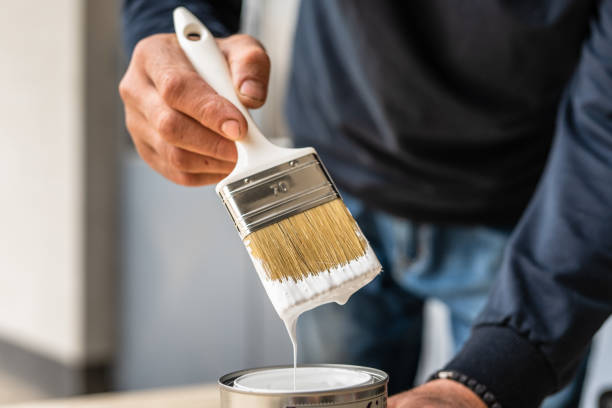
Paintbrushes are indispensable for detailed work and cutting-in edges. Different types of brushes serve different purposes:
– Angled Brushes: Ideal for precise cutting along trim, corners, and edges.
– Flat Brushes: Best for covering larger areas with smooth strokes.
– Detail Brushes: Useful for intricate designs or touch-ups.
Invest in brushes made from high-quality synthetic or natural bristles to avoid shedding during application.
2. Paint Rollers
Paint rollers cover large surfaces quickly and evenly, making them essential for walls and ceilings.
– Standard Rollers (9-inch): Perfect for medium to large walls.
– Mini Rollers (4-inch): Great for smaller spaces or hard-to-reach areas like behind radiators or under cabinets.
– Foam Rollers: Excellent for achieving smooth finishes on furniture or cabinetry.
Choose roller covers with the appropriate nap (thickness) based on your surface: | Surface Type | Recommended Nap Size | |————————|———————-| | Smooth surfaces (drywall, wood) | ¼ to ⅜ inch | | Semi-rough surfaces (lightly textured walls) | ½ inch | | Rough/Uneven surfaces (stucco, concrete) | ¾ inch+ |
3. Painter’s Tape
Painter’s tape ensures clean lines by preventing paint from bleeding onto unwanted areas such as moldings, baseboards, or adjacent walls. Use a high-quality tape that adheres well but doesn’t damage your surfaces when removed.
4. Drop Cloths and Protective Covers
Protecting floors, furniture, and fixtures is crucial during any painting project:
– Canvas drop cloths provide durable protection without slipping.
– Plastic sheeting works well if you’re looking for lightweight coverage.
– Masking paper can be used to shield smaller areas like windowsills or countertops.
5. Sandpaper and Sanding Blocks
Prepping your surface is key to a smooth finish:
– Use fine-grit sandpaper (120–220 grit) to eliminate imperfections like bumps or peeling paint.
– Sanding blocks are easier to grip and maintain even pressure across flat surfaces.
6. Putty Knife & Spackle Compound
For repairing holes, cracks, and dents:
– A flexible putty knife allows you to spread spackle smoothly over imperfections.
– Choose lightweight spackling compounds that dry quickly without shrinking.
7. Paint Trays & Liners
A sturdy paint tray makes it easier to load rollers evenly with paint while minimizing waste:
– Disposable tray liners simplify cleanup after the job is done.
– Larger trays with built-in grids prevent overloading your roller.
8. Extension Poles
Painting high ceilings or tall walls? An adjustable extension pole eliminates the need for ladders while ensuring even pressure across vertical surfaces.
9. Mixing Sticks & Paint Strainers
Keeping your paint smooth and free of clumps ensures optimal application:
– Wooden mixing sticks help blend pigments evenly before you start painting.
– Paint strainers remove debris from opened cans of older paint.
Final Thoughts on Tools
Equipping yourself with these essential tools will significantly enhance both efficiency and outcomes in any painting project you undertake. Always prioritize quality over cost when selecting items—well-made tools improve not only your results but also your overall experience as a painter.
Essential Tools Every Painter Needs for a Professional Finish
When it comes to painting, the tools you choose can significantly impact the quality of your work. Whether you’re a seasoned professional or a DIY enthusiast, having the right tools at your disposal ensures not only a smoother process but also results in a clean, professional finish. Below is a comprehensive guide to essential painting tools and their uses.
Painting Essentials: Must-Have Tools
- Paintbrushes
Paintbrushes come in various sizes and types, each suited for specific tasks: - Angled Brush: Ideal for cutting-in edges and corners.
- Flat Brush: Perfect for larger surfaces and even application.
- Detail Brush: Used for intricate areas or touch-ups.
- Paint Rollers
Rollers are indispensable for covering large wall surfaces efficiently: - Standard Roller (9-inch): Best for walls and ceilings.
- Mini Roller (4-inch): Great for tight spaces such as cabinets or furniture pieces.
- Use roller covers with different nap lengths depending on surface texture: | Surface Type | Recommended Nap Length | |———————–|—————————–| | Smooth (e.g., drywall)| 1/4″ or 3/8″ | | Semi-rough | 1/2″ | | Rough (e.g., brick) | 3/4″ to 1″ |
- Painter’s Tape
Vital for achieving sharp lines and protecting adjacent surfaces like trim, windows, and baseboards. - Drop Cloths
Protect floors and furniture from paint splatters using either plastic sheeting or canvas drop cloths — the latter offers better durability and reusability. - Paint Trays & Liners
Helpful for holding paint during application with rollers while minimizing mess through disposable liners. - Extension Poles
Allows you to paint high areas like ceilings without ladders—a safer and more efficient option.
Preparation Tools
- Sandpaper or Sanding Sponge: Smoothens rough surfaces or removes old paint flakes.
- Putty Knife & Spackle Paste: Fills cracks, holes, or imperfections on walls before painting.
- Tack Cloths/Dry Rags: Removes dust after sanding to ensure better paint adhesion.
- Utility Knife: Handy for trimming painter’s tape cleanly.
- Scraper/Knife Tool: For removing old peeling paint layers if needed.
Advanced Tools for Precision Work
- Offers precision along corners and edges faster than brushes alone.
- Ideal for large-scale jobs requiring smooth finishes like fences, exteriors, or cabinets.
- Useful when creating geometric patterns or aligning horizontal designs during decorative projects.
- Essential safety gear when using spray paints in enclosed areas to protect against inhaling fumes.
Organizing Your Toolkit
To stay efficient throughout your project:
– Use tool caddies or buckets with compartments to keep smaller items organized.
– Label different brush types by task so you can grab them during touch-ups quickly.
No matter the size of the painting project ahead of you, investing in high-quality tools will save time while delivering standout results that last longer over time!
Step-by-Step Guide to Prepping Your Walls Before Painting
Proper preparation is the foundation of a successful painting project. Skipping this crucial step can lead to uneven finishes, peeling paint, and wasted effort. Below is a step-by-step guide to help you prepare your walls for painting like a professional.
1. Clear the Area
Before starting, ensure the workspace is clutter-free and protected.
- Remove furniture or push it to the center of the room.
- Cover furniture, floors, and immovable fixtures with drop cloths or plastic sheeting.
- Tape off trim, windows, outlets, and baseboards using painter’s tape.
2. Inspect Walls for Damage
Examine your walls closely for imperfections such as cracks, holes, or dents. Addressing these issues beforehand will ensure a smooth finish.
- Use a flashlight to highlight uneven surfaces.
- Mark problem areas with painter’s tape for easy identification during repairs.
3. Clean the Wall Surface
- For light cleaning: Use a damp sponge or microfiber cloth to remove surface dust.
- For heavy soiling: Mix water with mild detergent or degreaser solution and wipe down the walls thoroughly.
- Allow walls to dry completely before proceeding.
4. Repair Holes and Cracks
| Type of Damage | Repair Material Needed | Tools Required |
| Small nail holes | Spackling paste | Putty knife |
| Hairline cracks | Joint compound | Sanding block & scraper |
| Larger holes | Patch kit | Drywall saw & putty knife |
Steps for repair:
1. Apply spackle or joint compound over holes/cracks using a putty knife.
2. Smooth out excess material and let it dry according to product instructions.
3. Sand repaired areas until smooth and flush with surrounding surfaces.
5. Sand the Walls
Sanding helps create an even surface by removing old paint drips or gloss from previous coats.
- Use medium-grit sandpaper (120–150 grit) for general smoothing.
- For glossy finishes, use fine-grit sandpaper (180–220 grit) to dull the sheen.
- Wipe away sanding dust with a tack cloth before proceeding.
6. Prime the Walls
When should you prime?
– Painting over dark or vibrant colors.
– Switching between oil-based and water-based paints.
– Painting new drywall that has never been painted before.
Use an appropriate primer (e.g., stain-blocking primer for high-moisture areas). Apply evenly across all surfaces using a roller or brush.
Final Checklist Before Painting
✔ Are all repairs sanded smoothly?
✔ Is the wall surface clean and free from dust?
✔ Have you applied primer where necessary?
✔ Are edges taped off securely?
Spending time on preparation ensures not only better results but also fewer issues during painting itself—an investment worth making every time!
Understanding Different Types of Paint and Their Ideal Uses
Choosing the right type of paint is crucial for achieving a professional finish and ensuring the durability of your project. With a variety of options available, it’s essential to understand the characteristics, benefits, and ideal uses for each type of paint. Below is a detailed guide to help you make an informed choice.
1. Water-Based (Latex) Paints
Water-based paints are among the most common choices for painting projects due to their versatility and ease of use.
Key Features:
– Quick drying
– Low levels of volatile organic compounds (VOCs), making it eco-friendly
– Easy cleanup with soap and water
Best For:
– Interior walls and ceilings
– Areas prone to moisture when paired with mold-resistant additives
| Advantages | Disadvantages |
| Dries faster than oil-based | May not adhere well to certain surfaces |
| Low odor | Requires more coats for darker colors |
2. Oil-Based Paints
Oil-based paints provide a durable, smooth finish but require more effort in application and cleanup.
Key Features:
– Long drying time allows for a smoother application
– High durability, especially in high-traffic areas
Best For:
– Trim work, doors, and cabinets
– Surfaces exposed to heavy wear or requiring extra protection
Note: Due to higher VOC content, proper ventilation is essential when using oil-based paints.
3. Matte Paint
Matte finishes are perfect for creating an elegant look but can be more challenging to maintain over time.
Key Features:
– Non-reflective surface that conceals imperfections
– Offers a soft, sophisticated appearance
Best For:
– Low-traffic rooms like bedrooms or studies
– Ceilings where reflection isn’t desired
Maintenance Tip: Matte finishes are less resistant to scrubbing. Use touch-ups rather than aggressive cleaning methods.
4. Eggshell Paint
Eggshell strikes a balance between durability and aesthetic appeal while providing a slight sheen.
Key Features:
– Subtle sheen adds depth without being overly reflective
– More washable compared to matte finishes
Best For:
– Living rooms or dining areas where moderate durability is required
5. Satin Paint
Satin paint offers increased durability with an attractive soft gloss finish.
Key Features:
– Adds warmth with light-reflecting qualities
– Resistant to moisture and stains
Best For:
– Kitchens, bathrooms, or children’s rooms that require frequent cleaning
– Furniture or woodwork where longevity matters
6. Semi-gloss and High-gloss Paints
These types deliver robust performance paired with a striking level of shine.
| Type | Key Characteristics | Ideal Uses |
| Semi-gloss | Moderate shine + durable | Bathrooms, kitchens, trims |
| High-gloss | Very reflective + easy-to-clean | Doors, cabinets, decorative features |
Both options are excellent for spaces needing maximum cleanliness but may accentuate surface flaws.
Factors When Choosing Paint Type
Before selecting any product type:
1) Evaluate the area’s purpose (e.g., high traffic vs aesthetic only).
2) Consider lighting—glossier finishes reflect more light but can also highlight imperfections. 3) Confirm compatibility; some surfaces like brickwork need specialized paints.
By understanding these differences in paints’ formulations & functions you’ll maximize project quality effectively.
- How Often Should Florida Painters Recommend Painting Your House Inside and Out for Best Results
- Interior vs Exterior Painting: Key Differences Every Homeowner Should Know from a Painting Company Florida
- A Comprehensive Guide from a Trusted Painting Company Florida on How Often to Repaint Your House
- How Often Should Florida Painters Repaint the Interior of Your Home for a Fresh Look
- How Often Should Florida Painters Refresh the Interior of Your Home for a Vibrant Look
- Tips from Florida painters: How Often Should You Paint Your House to Keep It Looking Fresh
- Finding the Right Painting Company Florida: How Often Should You Repaint Your House Interior
- How a Painting Company Florida Can Help You Decide When to Repaint Your Home