
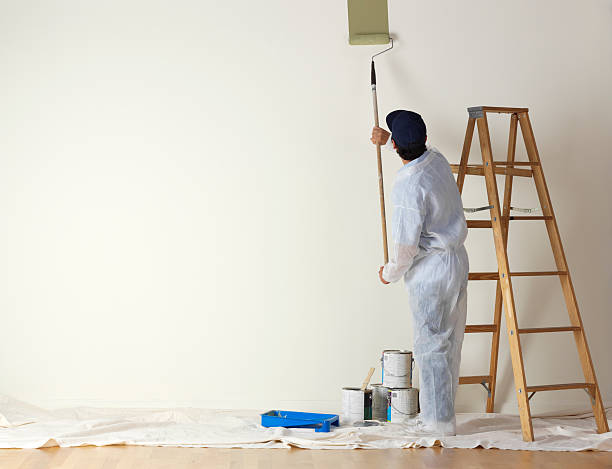
When it comes to painting your home, understanding the differences between interior and exterior painting is essential. Both serve distinct purposes, require different materials, and involve unique preparation processes. Before diving into your next project, it’s important to familiarize yourself with these key differences to make informed decisions.
Purpose of Interior Painting
- Create a specific mood or ambiance within a room
- Protect walls from wear and tear
- Cover imperfections such as stains or cracks
- Increase property value by making spaces look updated and clean
Purpose of Exterior Painting
- Protecting the building’s structure from environmental factors like moisture, UV rays, and temperature fluctuations
- Preventing rot or damage caused by prolonged exposure to rain or snow
- Boosting curb appeal by giving the property a fresh, well-maintained appearance
- Sealing surfaces against pests such as termites or ants that may infiltrate through cracks in wooden exteriors
Types of Paints Used for Interior vs Exterior Projects
| Aspect | Interior Paints | Exterior Paints |
| Durability | Not exposed to extreme elements | Resistant to harsh weather conditions |
| Finish Options | Matte, satin, eggshell finishes | Focused on longevity over aesthetics |
| Chemical Makeup | Lower toxicity for indoor air safety | Includes additives like UV blockers |
Application Techniques
- Ensure proper ventilation during application to minimize inhalation of paint fumes.
- Use painter’s tape around trims and ceilings for cleaner edges.
- Test colors on walls before committing fully as lighting can alter their appearance.
- Power wash surfaces beforehand to remove debris and dirt.
- Apply primer specifically designed for outdoor use.
- Work during mild weather conditions; avoid extreme heat or cold which may impact drying time.
Challenges Homeowners May Face
Painting interiors often presents challenges such as ensuring even coverage in poorly lit rooms or managing furniture placement during preparation. On the other hand, exterior painting comes with its own set of difficulties due to unpredictable weather changes or dealing with textured surfaces like stucco siding.
By understanding these core differences between interior and exterior painting projects, you’ll be better equipped to choose appropriate materials, plan effectively, and achieve lasting results tailored specifically for your home’s needs.
Discover the Purpose and Benefits of Interior and Exterior Painting with Florida Painters
Painting is one of the most effective ways to transform a space, whether inside or outside your home. However, interior and exterior painting serve distinct purposes and offer unique benefits tailored to their specific applications. Below is an in-depth exploration of why these two types of painting are essential for homeowners.
The Purpose of Interior Painting by House Painters Florida
Interior painting focuses on enhancing the aesthetic appeal and functionality of indoor spaces. It goes beyond color selection by addressing factors such as light reflection, mood setting, and room size perception. A fresh coat of paint can completely rejuvenate a room’s atmosphere while fulfilling practical needs.
- Aesthetic improvement: Enhances visual appeal by introducing cohesive or contrasting color schemes.
- Mood creation: Different colors evoke specific emotions, e.g., blues for calmness or yellows for energy.
- Personalization: Reflects personal style preferences or complements furniture and decor.
- Protection: Offers an additional layer to walls against minor wear-and-tear like scuffs or stains.
The Benefits of Interior Painting Services Florida
- Improved Indoor Air Quality
Many modern paints are low-VOC (Volatile Organic Compounds), reducing harmful emissions indoors, making it safer for your family’s health. - Increased Property Value
Neutral-colored interiors with well-applied paint can make properties more appealing to buyers. - Easy Maintenance
Painted walls are easier to clean compared to unpainted surfaces like raw drywall or plaster. - Space Transformation
Light hues can make small rooms appear larger, while richer tones add depth to larger spaces.
Enhance Your Home with Interior & Exterior Painting Florida
Exterior painting plays a vital role in protecting your home from environmental elements while boosting its curb appeal. Unlike interior painting, it prioritizes durability over aesthetics (although both are important).
- Weather resistance: Shields your home from rain, UV rays, wind, and temperature fluctuations.
- Structural protection: Prevents damage caused by moisture penetration, mold growth, or wood rot.
- First impressions: Enhances the visual appeal of your property from the outside.
- Longevity: Prolongs the lifespan of building materials like wood siding, stucco, or brick.
The Benefits of Exterior Painting
- Enhanced Curb Appeal
A freshly painted exterior increases a home’s attractiveness, making it stand out in the neighborhood. - Protection Against Weather Damage
High-quality exterior paints create a waterproof barrier that prevents peeling or cracking caused by harsh weather conditions. - Energy Efficiency
Using light-colored paints can reflect heat better during summer months, helping lower cooling costs. - Increased Property Value
An exterior that looks well-maintained signals buyers that structural care has been prioritized over time.
Interior vs Exterior Paint: A Summary Table
| Feature | Interior Paint | Exterior Paint |
| Primary Goal | Aesthetic enhancement | Protection & curb appeal |
| Durability Focus | Scratch resistance | Weather resistance |
| Composition | Low-VOC formulas for indoor air quality | High durability & UV-resistant formulas |
| Appearance Priorities | Smooth finish with varied textures | Long-lasting adhesion across rough surfaces |
Understanding the purpose and benefits behind interior and exterior painting empowers homeowners to make informed decisions during their projects—whether improving their living environment or safeguarding their property’s structural integrity over the years ahead.
Paint Formulation and Material Differences for Maximum Durability
When it comes to interior and exterior painting, the choice of paint formulation and materials plays a pivotal role in determining the durability and long-term performance of the finish. Understanding these differences can help homeowners select the best products for their projects and ensure lasting results. Below, we’ll discuss key distinctions in paint formulations for interior vs. exterior applications, as well as materials designed to withstand specific conditions.
Key Components of Paint Formulation
All paints are composed of four primary ingredients:
1. Pigments – Provide color and coverage.
2. Binders – Hold pigment particles together and adhere them to surfaces.
3. Solvents – Allow ease of application by controlling paint consistency (e.g., water or oil-based).
4. Additives – Enhance specific properties, such as UV resistance or mildew prevention.
While these components are present in both interior and exterior paints, their proportions and additives differ significantly.
Differences Between Interior and Exterior Paints
| Feature | Interior Paint | Exterior Paint |
| Durability Factors | Resistant to cleaning, stains, scuffs | Weather-resistant (rain, UV rays) |
| Flexibility | Less flexible; optimized for smoothness | High flexibility to handle expansion/contraction due to temperature changes |
| Additives Included | Focused on stain resistance & easy washing | Mold/mildew inhibitors & UV blockers |
| VOC Levels | Lower VOCs for indoor air quality | Often higher VOC levels for toughness outdoors |
Materials Designed for Maximum Durability
- Interior Paint: Usually crafted with a smoother finish (e.g., eggshell or satin) that’s easy to clean while maintaining aesthetics in high-traffic areas like kitchens or living rooms.
- Exterior Paint: Engineered with stronger binders that can withstand harsh weather conditions such as rain, snow, or direct sunlight without cracking or fading.
Choosing Between Oil-Based vs Water-Based Paints
- Water-Based (Acrylic/Latex):
- Commonly used for both interior and exterior surfaces.
- Quick drying with low odor.
- High adaptability to a variety of surfaces.
- Oil-Based:
- Preferred where longer-lasting finishes are required.
- Provides superior adhesion but dries slowly.
- Better suited for metal railings or wood trim outdoors but requires proper ventilation when used indoors.
Tips for Maximizing Durability
- Select high-quality primers compatible with your paint type (interior/exterior). Priming enhances adhesion while sealing porous surfaces like drywall or wood.
- Match surface-specific products with the environment; e.g., use fade-resistant exterior paint on sunny walls facing south or west.
- Apply at least two even layers after preparation—thin coats bond better than a single thick coat.
- Avoid painting during extreme weather conditions such as high humidity or freezing temperatures when using exterior products.
By understanding these essential differences in formulations and applying them smartly, homeowners can ensure beautifully painted interiors and exteriors that stand the test of time with minimal maintenance effort.
Common Mistakes Homeowners Make During Painting Projects and How to Avoid Them
Painting projects can transform a space, but even the most enthusiastic DIYers can make mistakes that compromise the final outcome. Understanding and avoiding these common errors can save time, money, and frustration. Below, we discuss frequent painting mistakes and provide actionable ways to avoid them.
Skipping Surface Preparation
Proper surface preparation is critical for a smooth and long-lasting finish. Many homeowners skip this step in a rush to start painting, leading to uneven surfaces or poor paint adhesion.
Common Issues:
– Paint peeling or flaking due to dirt or grease on walls.
– Uneven texture caused by unpatched holes or cracks.
– Stains bleeding through the paint.
How to Avoid:
1. Clean surfaces thoroughly with soap and water or a degreaser.
2. Fill in cracks, holes, or dents using spackle, then sand for a smooth finish.
3. Use a high-quality primer to seal stains and ensure even paint application.
Using Low-Quality Tools
The tools you use can significantly impact the quality of your work. Cheap brushes or rollers often lead to streaks or uneven coverage.
Common Issues:
– Visible brush strokes on walls.
– Rollers shedding lint into fresh paint.
– Difficulty achieving clean edges without painter’s tape.
How to Avoid:
– Invest in high-quality brushes that are appropriate for your chosen type of paint (e.g., natural bristles for oil-based paints).
– Use lint-free rollers for smooth application.
– Always have painter’s tape on hand for clean edgework.
Choosing the Wrong Paint Type
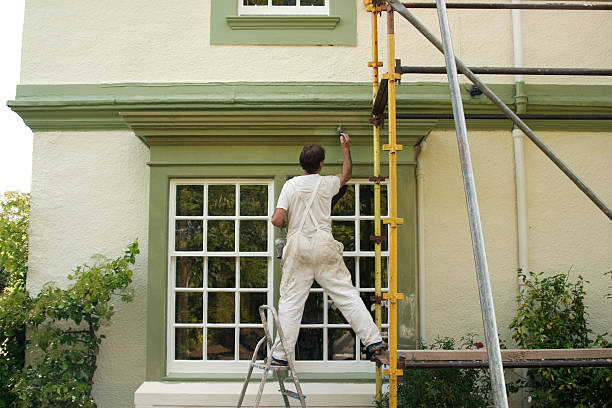
Selecting the correct type of paint is essential for durability and aesthetics. Some homeowners mistakenly use interior paints outside or vice versa due to cost concerns or lack of knowledge.
Common Issues:
– Interior paint fading quickly when used outdoors.
– Walls failing to withstand moisture in high-humidity areas like bathrooms.
How to Avoid: | Area | Recommended Paint Type | |——————|————————————| | Exterior Walls | Weather-resistant exterior paint | | Bathrooms/Kitchens | Moisture-resistant semi-gloss | | Living Areas | Matte or eggshell finishes |
Take time to research the best formulations for your specific needs before purchasing any products.
Overlooking Proper Drying Times
Rushing through layers without allowing adequate drying time is another common mistake that leads to smudging, streaking, or uneven coloring.
Common Issues: – Paint pulling away when applying additional coats too soon. – Sticky surfaces that take longer than expected to cure fully.
How To Avoid:
1. Follow manufacturer-recommended drying times printed on paint cans.
2. Allow increased drying times in humid conditions.
3. Patience is key—ensure each coat is fully dry before applying another layer.
Neglecting Safety Precautions
Painting might seem harmless, but working with fumes and potentially hazardous materials requires proper safety measures.
Common Issues:
– Respiratory issues from inhaling fumes during prolonged exposure.
– Accidental spills causing damage to furniture and floors.
How To Avoid:
1. Work in well-ventilated areas by opening windows/doors or using fans if possible.
2. Wear protective gear such as gloves, masks (for fume protection), and goggles when necessary.
3. Cover floors with drop cloths and remove valuable items from work zones before starting your project.
By addressing these common pitfalls early on, homeowners can achieve professional-looking results while minimizing frustration during their painting projects—proving that preparation is as important as execution when it comes to home improvement tasks like painting.
Common Mistakes Homeowners Make During Painting Projects and How to Avoid Them
Painting projects can transform the look and feel of a home, but without proper planning and execution, they can also lead to frustration, wasted time, and increased costs. Many homeowners unknowingly make mistakes that compromise the final result. Here are some of the most common errors during painting projects and practical steps to avoid them.
1. Skipping Proper Surface Preparation
A common pitfall is neglecting surface prep before applying paint. This results in poor adhesion and uneven finishes.
- Failing to clean walls properly or remove dirt, grease, or stains.
- Ignoring the need for sanding rough patches or peeling paint.
- Not using primer on surfaces that require it.
- Always clean the surface with soap and water to remove debris or with specialized cleaners for greasy areas like kitchens.
- Sand lightly on uneven spots and fill cracks with spackle for a smooth base.
- Use primer for porous surfaces (e.g., drywall) or those previously painted in darker colors.
2. Choosing the Wrong Paint Type or Finish
Selecting an inappropriate paint type can cause issues such as poor coverage, durability problems, or mismatched aesthetics.
- Using interior paint on exterior surfaces (or vice versa).
- Opting for flat finishes in high-traffic areas prone to stains or moisture buildup (like kitchens or bathrooms).
- Solutions:
| Area | Recommended Paint Type | Suggested Finish | |———————–|——————————|————————–| | Living Rooms | Interior latex/acrylic paint | Eggshell/Satin | | Kitchens/Bathrooms | Moisture-resistant paints | Semi-gloss/Gloss | | Exterior Walls | Weather-resistant paints | Matte/Satin |
3. Underestimating Paint Quantity Needs
Underestimating how much paint is required often leads to color inconsistencies if additional batches are purchased later.
- Guessing instead of calculating accurate measurements.
- Buying too little initially and needing to “color match” new cans later.
- Measure your walls by multiplying height by width for each surface area (subtracting windows/doors). Divide by the coverage rate listed on the paint can.
- Purchase a little extra for touch-ups rather than under-buying.
4. Ignoring Temperature and Humidity Levels
Environmental factors play a significant role in how well paint adheres and dries.
- Painting under extreme heat, cold, or high humidity.
- Not allowing enough drying time between coats due to impatience.
- Check product labels for recommended temperature ranges (typically between 50°F–85°F). Avoid painting during rainy weather for exterior projects.
- Allow ample drying time as recommended—rushing this step often causes streaks or peeling later on.
5. Using Inadequate Tools
Relying on low-quality brushes or rollers can lead to uneven application lines, bristle marks, or excessive splattering.
- Using one-size-fits-all tools instead of appropriate ones tailored for specific tasks.
- Ignoring protective equipment like painter’s tape or drop cloths that prevent messes during application.
- Solutions: Checklist of Essential Tools:
✓ High-quality synthetic brushes (for latex paints) & natural-bristle brushes (for oil-based paints).
✓ Rollers matched with a correct nap length per surface type (smooth vs textured walls).
✓ Painter’s tape & drop cloths/plastic sheeting covering furniture & floors effectively reduce cleanup efforts post-paintwork completion).
By recognizing these common pitfalls early on—and taking proactive measures—you’ll ensure smoother processes yielding professional-grade finishes regardless whether undertaken independently/hiring expertise support assistance aligning best practices recommendations avoiding rework cost overruns down project lifecycles end!
Why Hiring Professional Painters Can Make a Difference in Your Project
When tackling a painting project, the decision to hire professional painters can significantly impact the outcome. While some homeowners may be tempted to save costs by handling the work themselves, professional painters bring expertise, efficiency, and precision that ensure a high-quality finish. Here’s why hiring professional painters is often worth the investment.
Expertise and Skill
- Assess specific paint types suitable for various surfaces.
- Identify issues such as moisture damage or uneven textures that need addressing before painting.
- Apply paint evenly for a flawless, streak-free finish.
- Use specialized techniques like faux finishes or custom patterns when requested.
Professionals also stay updated on the latest tools, methods, and trends in painting, which translates into superior results for your project.
Time Efficiency
| Task | Estimated Time (DIY) | Professional Time Estimate |
| Preparing surfaces | 4–6 hours | 1–3 hours |
| Taping and priming | 2–4 hours | 1–2 hours |
| Painting (single coat) | 5+ hours per room | 2–3 hours per room |
Professionals work with speed and efficiency due to their experience and access to proper tools. What might take a DIYer days could be completed by professionals in a fraction of the time without compromising quality.
Cost Effectiveness
- Reduced waste: Professionals calculate exactly how much paint is needed.
- Fewer mistakes: Avoid common errors like uneven coats or improperly prepared surfaces that may require costly fixes later.
- Access to quality materials: Professionals often get discounts on high-grade paints and tools unavailable at retail pricing.
Safety Considerations
Painting projects—especially exterior ones—can involve potential hazards such as working at heights or exposure to chemicals. Professional painters are trained in safety protocols and use appropriate equipment like scaffolding or protective gear to minimize risks.
For example:
– Exterior painting often requires ladders or scaffolds that carry fall risks when not used correctly.
– Spraying equipment sometimes generates fine particles requiring respirators to avoid inhalation hazards.
By hiring professionals, you avoid potential accidents while ensuring adherence to safety standards throughout the process.
Guarantees and Warranty
Most reputable painting companies offer guarantees or warranties for their work. This means if there are any issues with peeling paint, uneven finishes, or improper applications within a specified period after completion, they will address these problems at no additional cost. Such assurances provide peace of mind and demonstrate confidence in their workmanship.
Enhanced Curb Appeal and Property Value
A professionally painted property not only looks polished but can also increase its value. For homeowners looking to sell, this can be especially advantageous as buyers are more likely to be drawn to homes with well-executed finishes both inside and out. A fresh coat of expertly applied paint enhances curb appeal while signaling proper maintenance—a factor that resonates positively with potential buyers.
Hiring professional painters brings multiple benefits: from skillful execution and efficiency to safety assurances and long-term cost savings. While DIY painting projects may seem manageable initially, enlisting experts ensures that every aspect of your project meets high standards while saving time and effort on your part.
Top Colour Trends for Homes: Painting and Decorating Ideas for 2025
The year 2025 is shaping up to be an exciting one for home design enthusiasts, with colour trends reflecting a mix of timeless elegance and modern vibrancy. Whether you’re updating your living spaces or preparing your home’s exterior, understanding these trends can help you create a stylish and harmonious environment.
Key Colour Trends for 2025
- Earthy Warm Tones
Neutral shades are evolving to include warmer undertones. Expect to see colours like terracotta, sandy beige, and cinnamon dominating interior spaces. These hues create a welcoming atmosphere and pair perfectly with natural wood accents. - Deep Moody Shades
Darker, dramatic colours such as forest green, charcoal black, and navy blue are gaining popularity in both interiors and exteriors. These shades add depth to any room or façade while maintaining a sophisticated edge. - Soft Pastels with a Twist
Pastel colours are making a comeback but with richer saturation than before. Think of muted peach, dusty lilac, or soft sage green—shades that exude charm without being overly delicate. - Nature-Inspired Greens
Biophilic design continues to influence paint choices in 2025. Olive green, moss green, and eucalyptus tones create serene environments while connecting indoor spaces to the natural world. - Bold Accent Colours
Vibrant hues such as coral pink, mustard yellow, and cobalt blue are ideal for accent walls or statement furniture pieces. These colours energize spaces when used thoughtfully in contrast with neutrals.
Tips for Incorporating 2025 Colour Trends
- Layering Neutrals: Combine warm neutrals like beige or taupe with brighter accent pieces to maintain balance.
- Zone Your Colours: Use different shades to define zones in open-plan layouts (e.g., earthy tones in the living area versus cool greens in the study).
- Combine Textures: Pair trendy paint colours with textured materials such as stone tiles or woven fabrics to add depth.
- Focus on Lighting: Test paint samples under various lighting conditions before committing; some trendy shades may look different under artificial versus natural light.
Popular Combinations for Different Rooms
| Room | Recommended Colour Palette | Suggested Accents |
| Living Room | Sandy beige + olive green | Brass fixtures; wooden furniture |
| Kitchen | White + deep navy | Copper hardware; patterned tiles |
| Bedroom | Muted peach + soft sage | Linen curtains; ceramic decor |
| Bathroom | Dusty lilac + charcoal | Matte black fixtures; marble surfaces |
| Office/Study | Forest green + terracotta | Leather chairs; metallic desk lamps |
Exterior Colour Inspiration
- Pair creamy off-white walls with dark brown trim for timeless appeal.
- Experiment with charcoal grey siding complemented by bold red doors for a modern twist.
- Go natural by using earthy greens or browns that blend harmoniously with outdoor landscapes.
Applying these colour trends thoughtfully can elevate your home’s aesthetics while keeping it relevant beyond 2025—making it not just fashionable but also enduringly beautiful.
- How Often Should Florida Painters Recommend Painting Your House Inside and Out for Best Results
- Interior vs Exterior Painting: Key Differences Every Homeowner Should Know from a Painting Company Florida
- A Comprehensive Guide from a Trusted Painting Company Florida on How Often to Repaint Your House
- How Often Should Florida Painters Repaint the Interior of Your Home for a Fresh Look
- How Often Should Florida Painters Refresh the Interior of Your Home for a Vibrant Look
- Tips from Florida painters: How Often Should You Paint Your House to Keep It Looking Fresh
- Finding the Right Painting Company Florida: How Often Should You Repaint Your House Interior
- How a Painting Company Florida Can Help You Decide When to Repaint Your Home